|
|
|
|
|
Directory & Info for
Fishing,
Angling, Fishing Tackle, Fishing Guides, Fly Fishing, Bass Fishing,
Sports fishing, Game Fishing....
Info on All types of
Fishing | Angling | Fishing Tackle etc. |
| |
|
Glossary of Fish, Seafood
and Fishing Terms |
|
|
|
Australian Fish Bag Limits and Size Regulations |
|
Photos of Australian Seafood, Fish, Crustaceans &
Cephalopods and Information on each... |
|
Abalone, Blacklip |
|
Albacore
Tuna |
|
Baler Shell |
|
Barbounia, Tiny |
|
Barracouta |
|
Barramundi |
|
Bass, Sea |
|
Batfish |
|
Batfish, Silver |
|
Blackfish |
|
Boarfish |
|
Bonito Tuna |
|
Bonito, Watson's Leaping |
|
Bream |
|
Bream, Butter |
|
Bream, Slate |
|
Bug, Moreton Bay
(Slipper Lobster) |
|
Bug, Balmain |
|
Butterfish |
|
Calamari,
Southern |
|
Carp, European |
|
Catfish, Blue |
|
Catfish, Lesser Salmon |
|
Cockles |
|
Cod, Bar |
|
Cod, Blue eye |
|
Cod, Coral Rock |
|
Cod, Ghost |
|
Cod, Maori |
|
Cod, Murray
|
|
Cod, Southern Rock |
|
Cod, Spotted |
|
Cod, Tomato |
|
Cod, Wirrah |
|
Cod, Yellow Spotted |
|
Coral Trout |
|
Cowanyoung |
|
Crab, Blue Swimmer |
|
Crab, Champagne |
|
Crab, Giant
|
|
Crab, Mud |
|
Crab, Spanner |
|
Crawfish |
|
Cuttlefish |
|
Dart Fish |
|
Dolphin Fish |
|
Dory, John |
|
Dory, Mirror |
|
Dory, Silver
|
|
Drummer, Southern |
|
Eel, Longfin |
|
Emperor, Red |
|
Emperor, Red Throat |
|
Flathead |
|
Flounder, Small Toothed |
|
Flutemouth, Rough |
|
Frost Fish |
|
Garfish |
|
Gemfish |
|
Goatfish |
|
Grouper |
|
Gurnard, Red |
|
Gurnard, Spotted |
|
Hairtail |
|
Hump Headed
Maori Wrasse |
|
Hussar |
|
Jackass Fish |
|
Jacket, Ocean |
|
Jacket, Sea |
|
Jewfish |
|
Jobfish, Gold Banned |
|
Jobfish, Rosy |
|
Kingfish,
Yellowtail |
|
Latchet Fish |
|
Leatherjacket, Reef |
|
Ling |
|
Lobster Eastern
Rock |
|
Lobster Southern Rock |
|
Long Tom |
|
Luderick |
|
Mackeral, Jack |
|
Mackerel, Slimey |
|
Mado |
|
Mahi Mahi |
|
Mangrove Jack |
|
Marlin, Black |
|
Marlin, Blue |
|
Marlin, Striped |
|
Melon Shell |
|
Monkfish |
|
Mono |
|
Moon Fish |
|
Morwong |
|
Morwong, Red |
|
Mullet - Roe |
|
Mullet, Diamond Scale |
|
Mullet, Red |
|
Mullet, Sea |
|
Mullet, Yelloweye |
|
Mulloway |
|
Mussels Black |
|
Mussels Greenlip |
|
Nanygai |
|
Octopus |
|
Orange Roughy |
|
Oreo, Black |
|
Oyster,
Native |
|
Oyster,
Pacific |
|
Oyster, Sydney Rock |
|
Parrot Fish |
|
Parrot Fish (2) |
|
Perch, Ocean |
|
Perch, Saddle Tail Sea |
|
Perch, Silver |
|
Perch, Splendid |
|
Perch, Stripey Sea |
|
Pig Fish |
|
Pike |
|
Pineapple Fish |
|
Prawn, Banana |
|
Prawn, King |
|
Prawn, Red Spot |
|
Prawn, School |
|
Prawn, Tiger |
|
Queenfish, Needleskin |
|
Rainbow Runner |
|
Redclaw Crayfish |
|
Redfish |
|
Ribaldo |
|
Ribbon Fish |
|
Rudder Fish |
|
Salmon, Atlantic |
|
Salmon, Australian |
|
Scad |
|
Scallops, Queensland |
|
Scallops, Tasmanian |
|
Scorpion Fish, Raggy |
|
Shark |
|
Shark Black Tip |
|
Shark, Blue |
|
Shark Bronze Whaler (Dusky) |
|
Shark, Bull |
|
Sharks Fins |
|
Shark, Gummy |
|
Shark, Mako |
|
Shark, School |
|
Shark,
Tiger |
|
Shark,
Whiskery Reef |
|
Shark, White |
|
Shrimp, Mantis |
|
Sicklefish |
|
Silver Biddy |
|
Snapper |
|
Snapper, Big Eye |
|
Snapper, Fry Pan |
|
Snapper, Gold Band |
|
Snapper, King |
|
Snapper,
Red |
|
Snapper, Red Tropical |
|
Sole |
|
Sole, Tongue |
|
Squid, Arrow |
|
Squirrel Fish |
|
Stargazer |
|
Stingray, Butterfly |
|
Stripey Sea
Perch |
|
Surgeonfish, Sixplate Sawtail |
|
Sweetlip, Slatey |
|
Sweetlip, Yellow |
|
Swordfish |
|
Tailor |
|
Tarwhine |
|
Tilefish,
Pink |
|
Trevally, Big Eye |
|
Trevally, Golden |
|
Trevally, Silver |
|
Triple Tail |
|
Trout |
|
Trumpeter, Striped |
|
Tuna,
Albacore |
|
Tuna, Bigeye |
|
Tuna, Bluefin |
|
Tuna, Longtail |
|
Tuna, Skipjack |
|
Tuna, Striped |
|
Tuna, Mackerel |
|
Tuna, Yellowfin |
|
Venus Tusk Fish |
|
Whiting, Sand |
|
Whiting, School |
|
Wrasse |
|
Yabby,
Freshwater Crayfish |
|
Yellowtail |
|
FULL LIST of Fish &
Seafood |
|
Beche De Mer
(Sea Cucumber - Trepang) |
|
Amberfish |
|
Blackfish |
|
Black Teatfish |
|
Brown Sandfish |
|
Curryfish |
|
Elephants Trunks fish |
|
Greenfish |
|
Lollyfish |
|
Pinkfish |
|
Prickly Redfish |
|
Sandfish |
|
Stonefish |
|
Surf Redfish |
|
White Teatfish |
|
|
|
Commercial
Seafood Directory |
|
Sea-Ex Seafood, Fishing, Marine
Directory |
|
Aquaculture Directory |
|
Commercial Fishing |
|
Seafood Information by
Country |
|
Australian Fish Photos &
Info |
|
Interesting Fish Facts & Trivia |
|
Country Directories |
|
Thailand Business
Directory |
|
Seafood: |
|
Wholesale Seafood
Suppliers Australia |
|
Wholesale Seafood
Suppliers International |
|
Retail Seafood Sales |
|
Seafood Restaurants |
|
Seafood Recipes |
|
Seafood Information |
|
Seafood
Industry Resources |
|
Coral
Trout (Plectrodomus maculatus) (Plectropomus leopardus) Photographs
and Information
|
Coral Trout is also known as Leopard Fish
(Plectropomus leopardus)
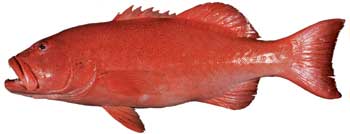
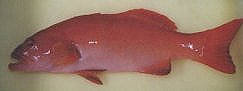
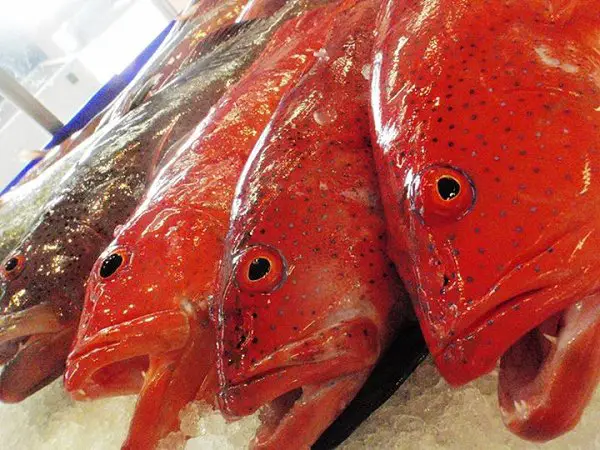
Coral Trout range in colour from pink to red to brown, with small brilliant blue spots
over the body and head. Coral trout are beautifully marked, robust,
predatory reef fish of tropical waters. They belong to the same large group of
grouper-like fish as the tropical Australian saltwater cods (Serranidae). Coral
trout have large mouths and sharp, widely-spaced canine teeth. Colouration
varies between species and locations; from greenish-brown in shallow water,
through brick-red to bright red in deeper water, but always with an overlay of
blue or red spots. The eye is red around an elongated pupil.
Coral Trout are sometimes confused with Tomato or Coral Cod which have
similar markings. However the Coral Trout has an inward-curved tail and 7 or 8
spines in the first dorsal fin, the Coral Cod has a rounded tail and nine spines in the
first dorsal.
There are several
closely related members of the family Plectropoma in Australian
waters, the most common being P. maculatum. Coral trout are
often known simply as "trout" in many northern waters, although
they are totally unrelated to the freshwater fishes of the same
name.
The coral trouts
belong to the same family (Serranidae) as the rockcods.
The Coral Trout is a protogynous hermaphrodite, that is, the individual becomes
sexually mature first as a female and then later changes its sex to a male. It is
only one sex at a time and cannot self fertilise.
Most Coral Trout mature as females when they are about 22cm long and about 2 years old.
At this time a mature female Coral Trout can product 83,000 eggs a year. A 4
year old female can produce about 458,000 eggs a year.
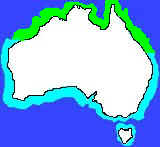
Coral trout are widely dispersed around coral reef waters of Queensland, the Northern
Territory and Western Australia. They grow to about 110cm and can weigh more than
20kg. Generally the largest Coral Trout are found well offshore. Although
basically a bottom-dwelling fish, Coral Trout frequently cruise and hunt well off the
seabed and are capable of bursts of great speed.
Coral Trout can be usually caught on a wide variety of cut fish baits, but they will
also take trolled lures, jigs and live baits.
|
 |
 |
|
|
| Scientific Name |
Plectrodomus maculatus |
| Location |
Tropical waters of northern Australia |
| Season |
All year round |
| Size |
To about 110cm |
| Australian Species Code |
37 311905 |
| Taste, Texture |
Firm white flesh. Excellent eating. |
|
Nutritional
Information
For every 100 grams raw product
for Coral Trout fillet. |
|
Kilojoules |
n/a |
|
Cholesterol |
25 mg |
|
Sodium |
n/a |
|
Total fat
(oil) |
0.6 g |
|
Saturated
fat |
32% of total
fat |
|
Monounsaturated fat |
16% of total
fat |
|
Polyunsaturated fat |
52% of total
fat |
|
Omega-3, EPA |
9 mg |
|
Omega-3, DHA |
149 mg |
|
Omega-6, AA |
27 mg |
|
 |
Angling for Coral Trout:
Saltwater Habitat. Caught
near reef areas. The scarlet or red coloured coral trout are
typically taken in deep water (up to 100 m). The bulk of coral trout taken by anglers fall to
traditional bottom-fishing techniques employing cut fish flesh,
prawns or squid baits, but the species also responds well to
more sophisticated sport fishing methods.
|
|
Cooking
Coral Trout:
Coral Trout are a highly prized table fish with firm white flesh.
The coral trout has moist, firm, white meat and is a superb table fish,
considered by most reef fishermen to be even tastier than the sweetlip, and only
a short distance behind the red emperor and the barramundi cod in terms of
flavour.
|
|
Commercial Fishing for Coral Trout: Reef fish are harvested throughout the Queensland coast -
from the NSW border to the Torres Straits although most of the catch is
harvested in the waters between Bundaberg and Cooktown. Coral reef fish are caught by hook and line along the
length of the Great Barrier Reef from the Torres Strait south to Fraser Island,
and from the inshore reefs to the outer barrier reefs.
|
|
More links about
Coral Trout Information
Information and links from Australian Government Fisheries Statistics, CRC Reef
research centre, line fishing on the great barrier reef, importers of coral
trout, exporters of Coral Trout, seafood processors
|
|